

ISSUE N°3
In Abundance
1
Original Forecast artwork Forecast by Studio Airport
2
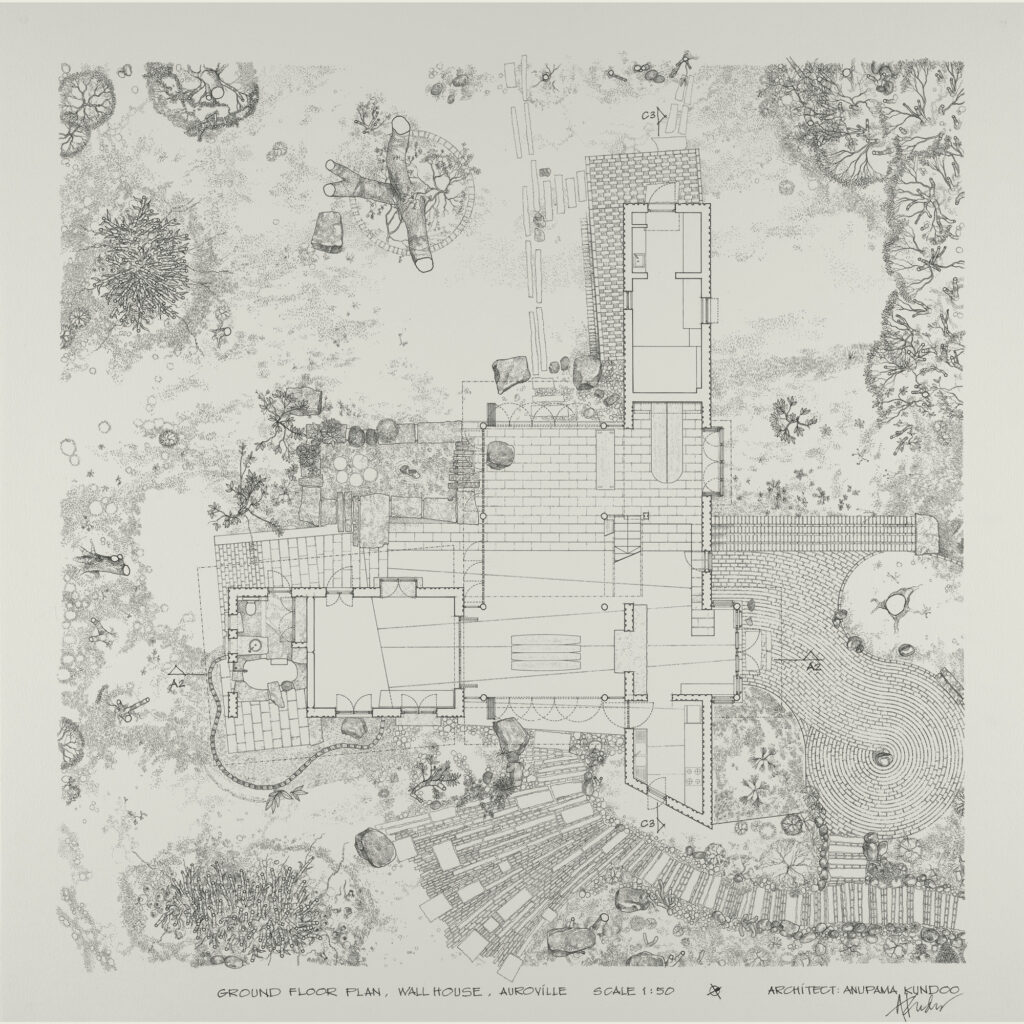
Anupama Kundoo, Wall House, Auroville, India (Plan), 1997–2000. Digital image, The Museum of Modern Art, New York/Scala, Florence
3
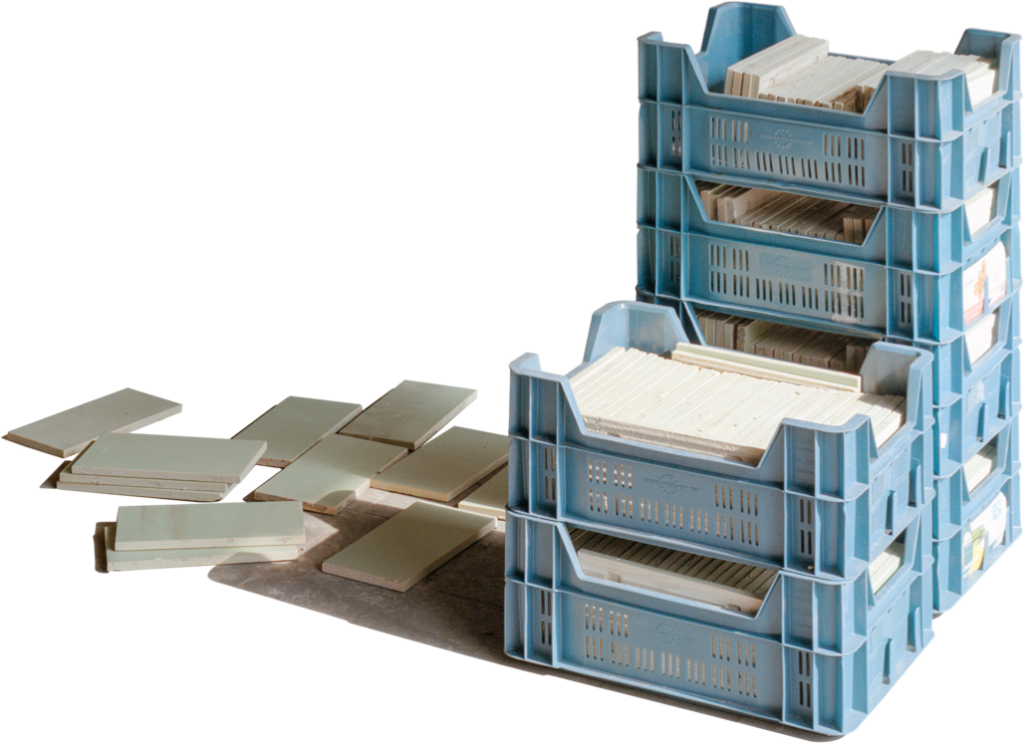
Detail of tiles reclaimed by RotorDC at the Tripostal construction site (conversion of the SNCB - Bruxelles Zuid station), Brussels. Photo Séverin Malaud / © Institut Culturel d’Architecture Wallonie-Bruxelles (ICA) – from the project Déjà Vus by Superworld & Séverin Malaud
4
Detail from Katangua Market, Lagos, Nigeria. Photo © Andrew Esiebo
5
Recycled powder of steel seen under a scanning electron microscope. N.E. Gorji, R. O’Connor and D. Brabazon, Dublin City University
Future Observatory Journal
Design, ecology and a future
N°3
What do we mean by ‘abundance’? Surely not just more stuff, more growth, more profit. Enough already, already enough. Reimagining abundance within planetary boundaries means finding plenty in repair, circularity and biodiversity
Editorial
532 words
In Abundance Introducing Issue 03
There is a way of framing ’abundance’ that does not involve turning the Earth into a hyper-efficient production facility
Interactive Essay
4 propositions

The Four Abundances A Future Observatory Forecast written by Daisy Hildyard
This forecast presents abundance not as excess or accumulation, but as access to and distribution of knowledge, materials and capacities. In a four-part story set in a flourishing future, this interpretation of abundance is illustrated with real-life case studies that show alternative models already taking root
Primer
2,420 words
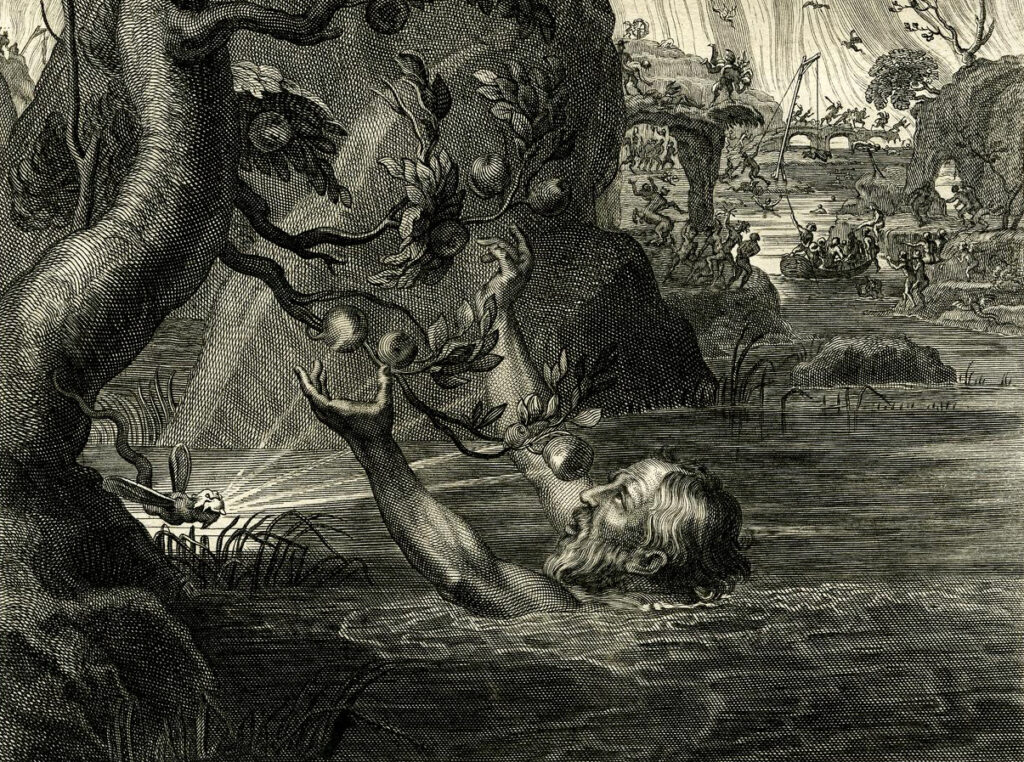
An Embarassment of Riches A history of ‘more’
Abundance is a contested idea in political and economic thought. With the term being co-opted to drive growth, the question is what is abundance actually for? Can it be reframed away from the agenda of ‘more’ to a collective vision that sustains all human and non-human life?
Case Study
2,456 words
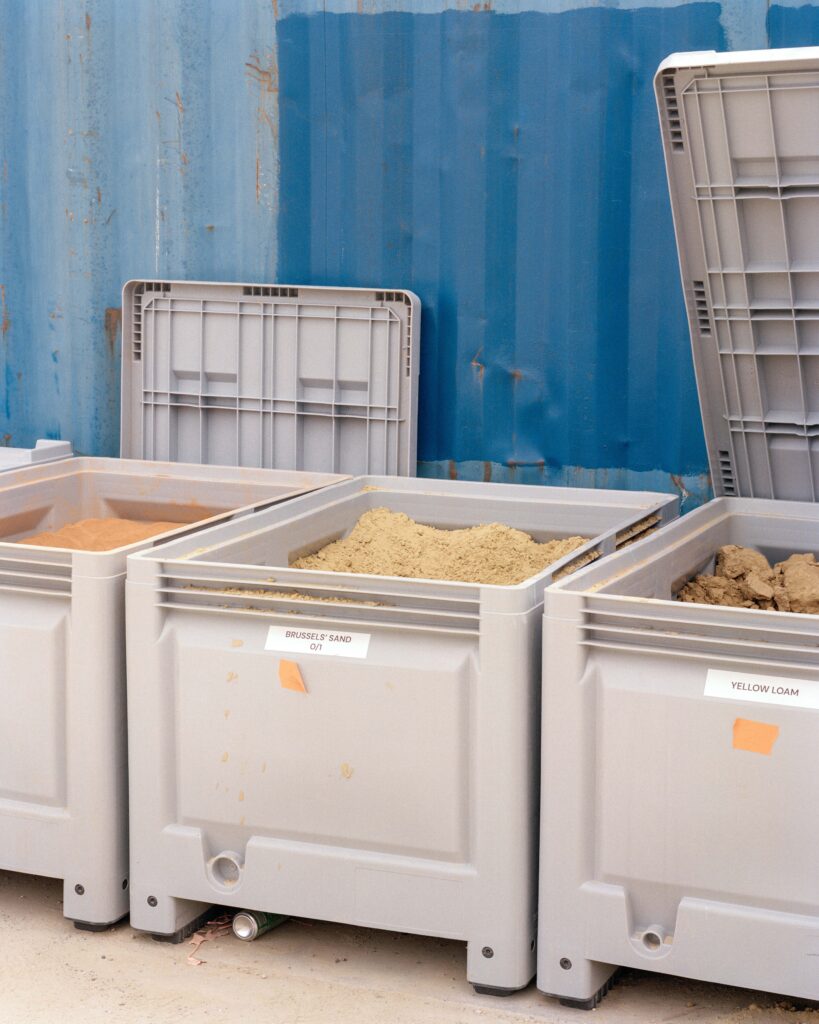
Recycling Brussels The city that’s had enough
Because of its frenzied cycles of demolition and rebuilding, Brussels has been at the forefront of reimagining the role of the architect – from pure designer to master of salvage. It’s one hopeful outcome in a city where every site is a ghost story
Case Study
1,767 words
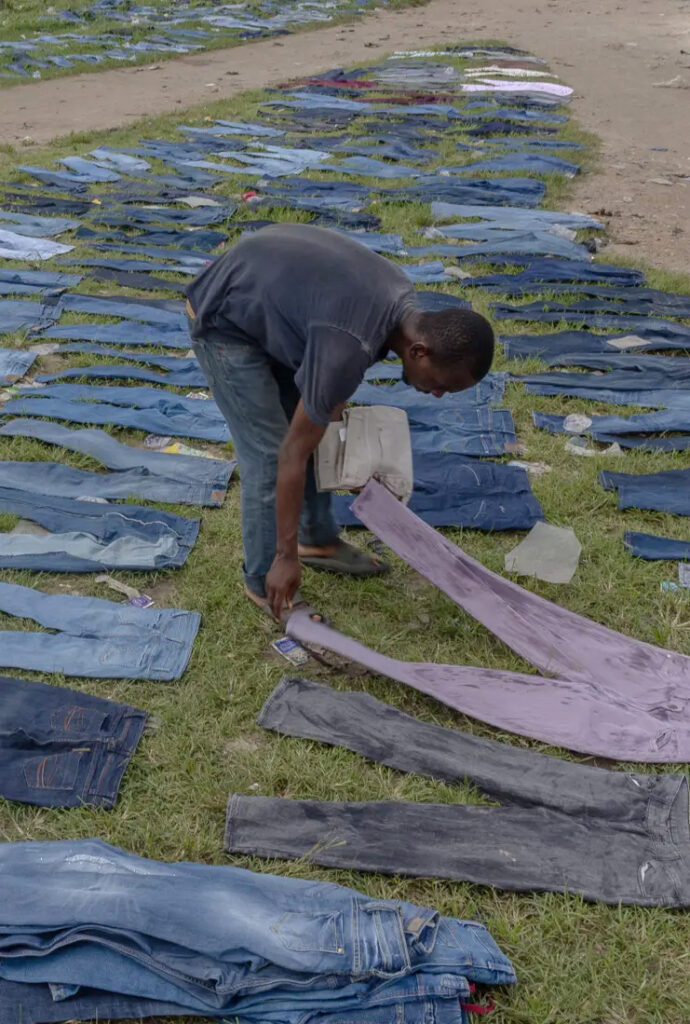
The Abundance Paradox
Africa’s secondhand clothing markets provide millions of consumers with upcycled and customised garments. Unlike Western fast-fashion, this circular model offers a blueprint for achieving more with less. Could the circular economy be the continent’s comparative advantage?
Essay
2,345 words
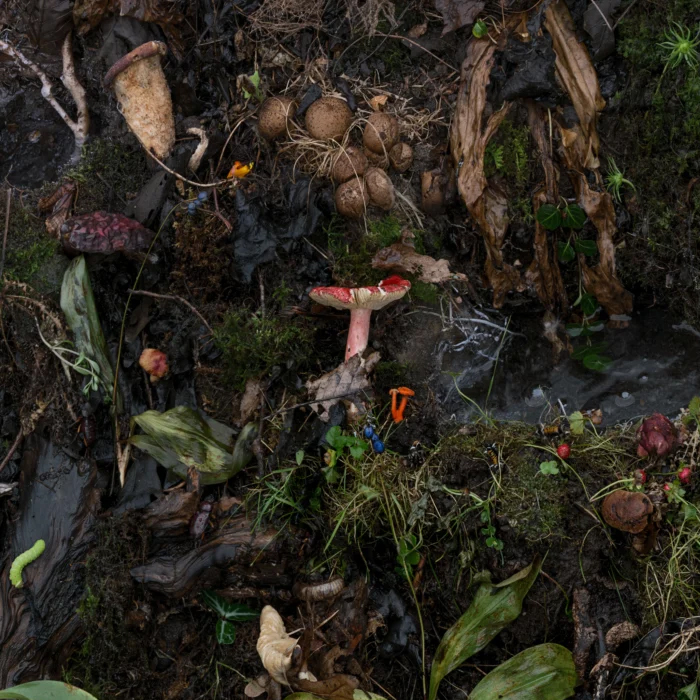
Composting ‘Abundance’ with Meta-relational AI
The harmful ecological impacts of AI make it an unlikely companion when it comes to composting modernity. As the human and AI co-authors of this piece ask, what if an ethical large language model could help us develop something more fertile?
Essay
2,289 words
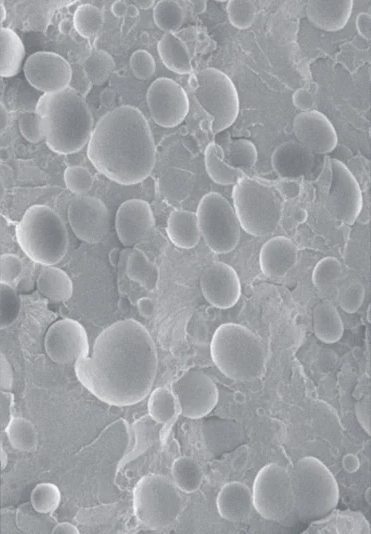
Energy and the Matter Problem The new frontier of recycling
The dawn of infinite clean energy is beckoning, but we still have the problem of finite matter. What if energy ‘too cheap to meter’ means that we can finally close material loops, even for the mother of all problems: plastics
Review
1,629 words
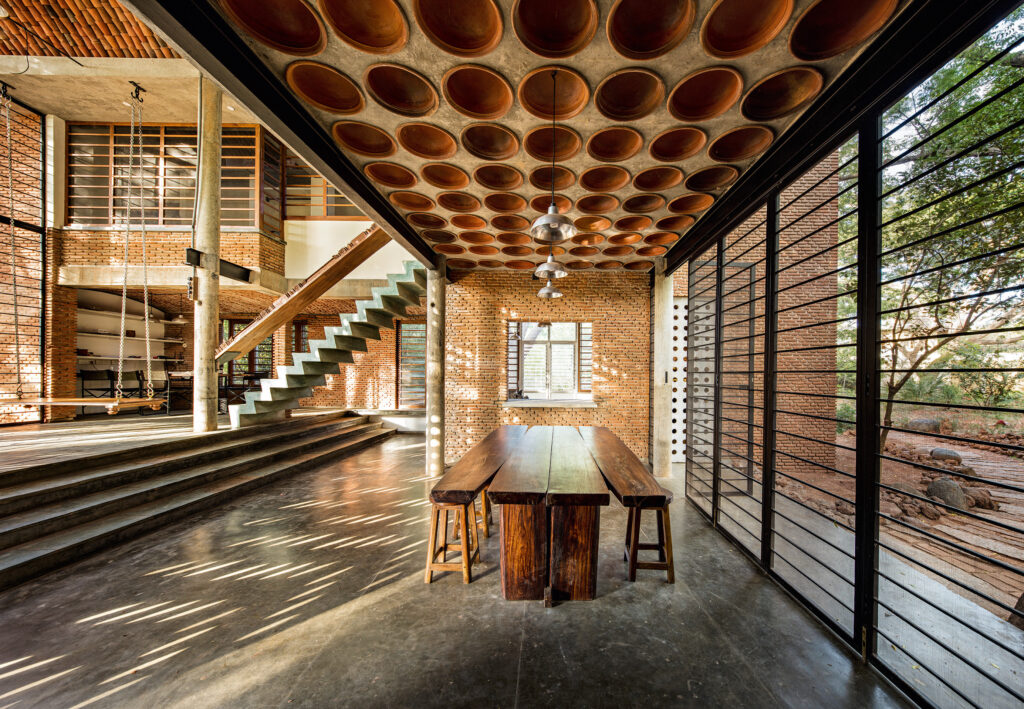
Alive to Place
The catalogue for a show about architect Anupama Kundoo frames her work through the concept of abundance. This emphasis on craftsmanship and local materials is one that is finding resonance all over the globe
Manual
7 guidelines
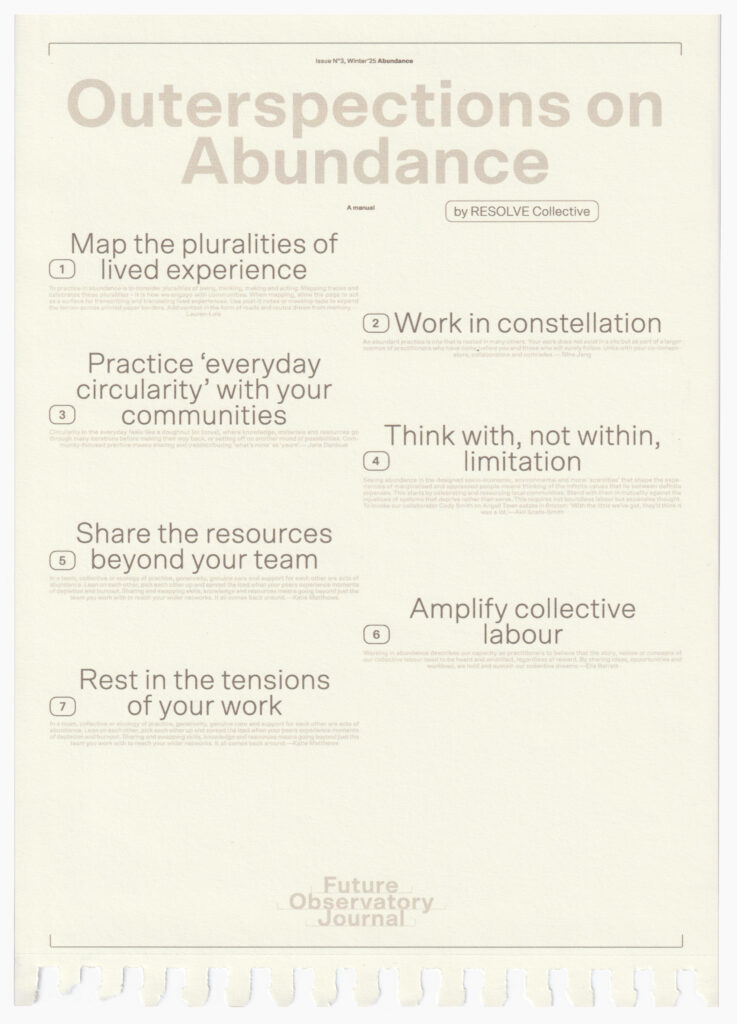
Outerspections on Abundance
This manual provides a practical set of guidelines, precepts and pieces of advice for designing with abundance
Essay
3,006 words
The Real Housing Crisis Why building is not the answer
The ‘abundance agenda’ shouts ‘build, baby, build’, but a country like the UK has enough vacant dwellings to solve its housing crisis – and no carbon budget for a construction frenzy. Rather than simply cutting red tape, we must reimagine what housing is
Interview
3,698 words
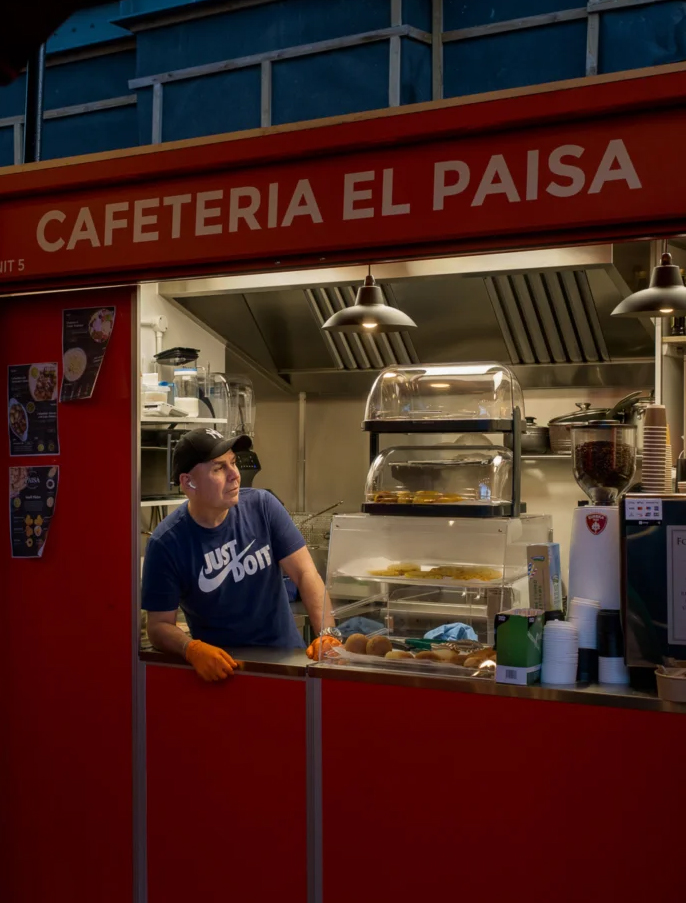
‘Radical abundance is something you won’t access under capitalism’ A conversation with Kai Heron
A new book, Radical Abundance: How to Win a Green Democratic Future, argues that we are missing some of the tools to achieve a green and just transition. It aims to be a practical guide for popular movements to regain their agency. One of the co-authors, Kai Heron, tells us how abundance can be achieved through Public Commons Partnerships, council farms and the battle for Seven Sisters Market in London
Photo Essay
10 images
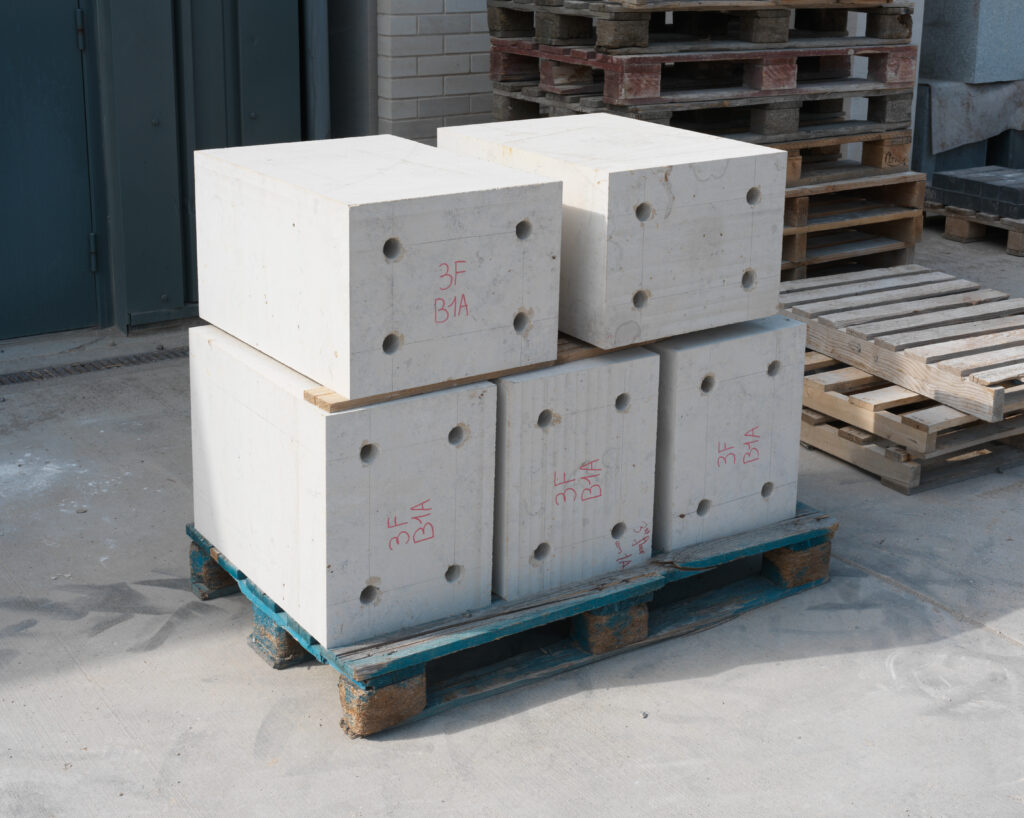
The Stone Demonstrator Documenting a prototype
Low-carbon construction requires a shift away from the abundant materials of the twentieth century. Future Observatory’s prototype of a stone structure tests one of Earth’s most abundant materials with new engineering know-how. This photo essay captures the process
From the Portfolio
4 objects

From the Portfolio
As well as publishing and curating, Future Observatory funds design research projects at different scales across the UK. From the Portfolio brings together a group of objects emerging from our funding portfolio which respond to the theme of the issue
Strategy Report
2,428 words

Private Sufficiency, Public Abundance Strategy Report
The story of economics has been the story of scarcity, but what would it take to change the narrative? We explored that question through a roundtable discussion that highlighted three key types of abundance – social, material and natural – all of which require public benefit to outweigh private consumption