Index
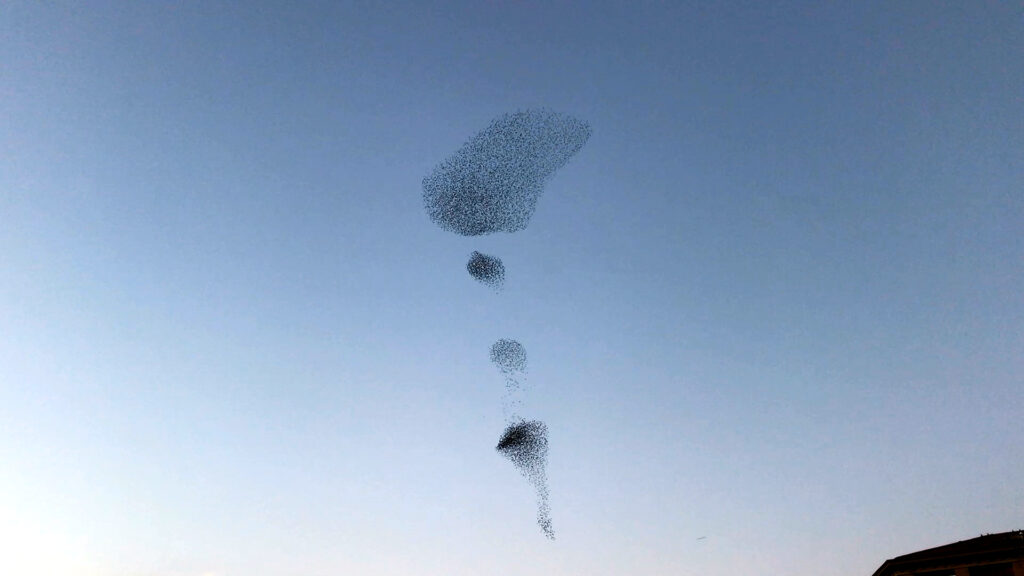
Murmuration flight of a large group of starlings over the city

The Four Abundances

Interactive Essay
4 propositions
A Future Observatory Forecast written by Daisy Hildyard

This forecast presents abundance not as excess or accumulation, but as access to and distribution of knowledge, materials and capacities. In a four-part story set in a flourishing future, this interpretation of abundance is illustrated with real-life case studies that show alternative models already taking root

The descendants found new ways to thrive in the aftermath of extraction. They worked with repurposed materials and points of connection, creating loops and constellations. Wherever they went they fostered abundance, replenishing the cycles, resources, ecosystems and intelligences that provided for their ‘great reimagining’. Enough already, already enough.
1

Material Irrigation

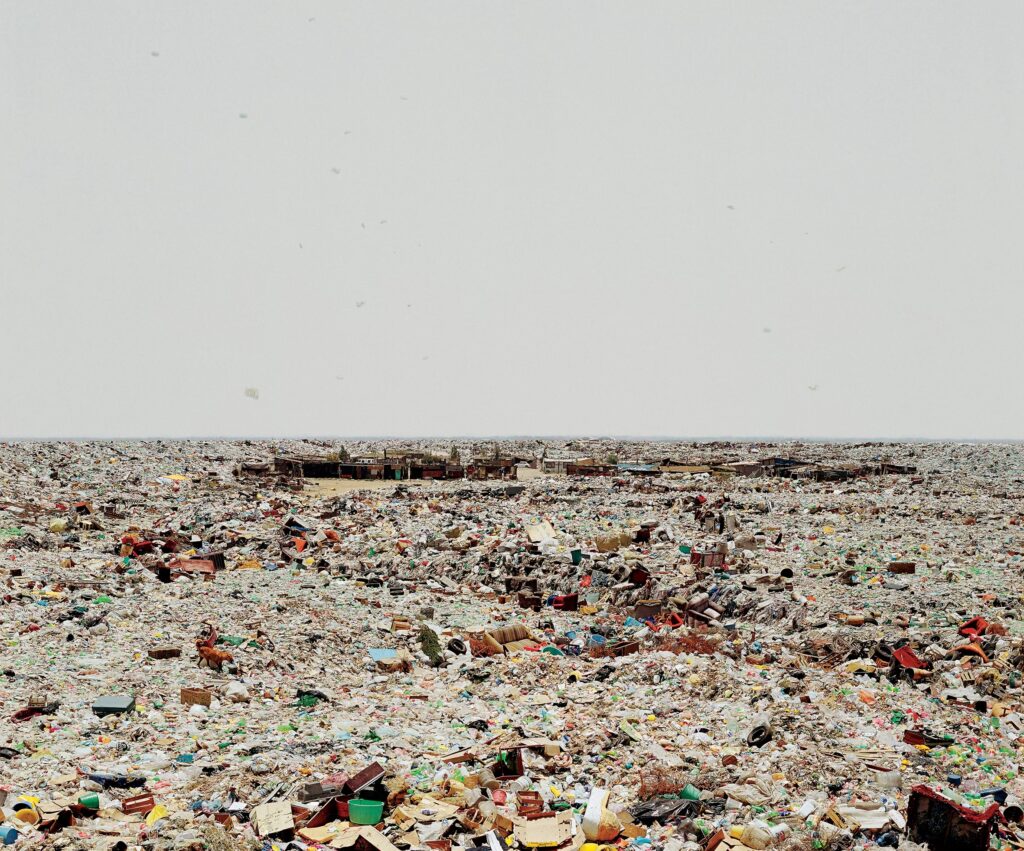
Untitled XIII, 2002 © 2025 Andreas Gursky / Courtesy Sprüth Magers Berlin London / DACS

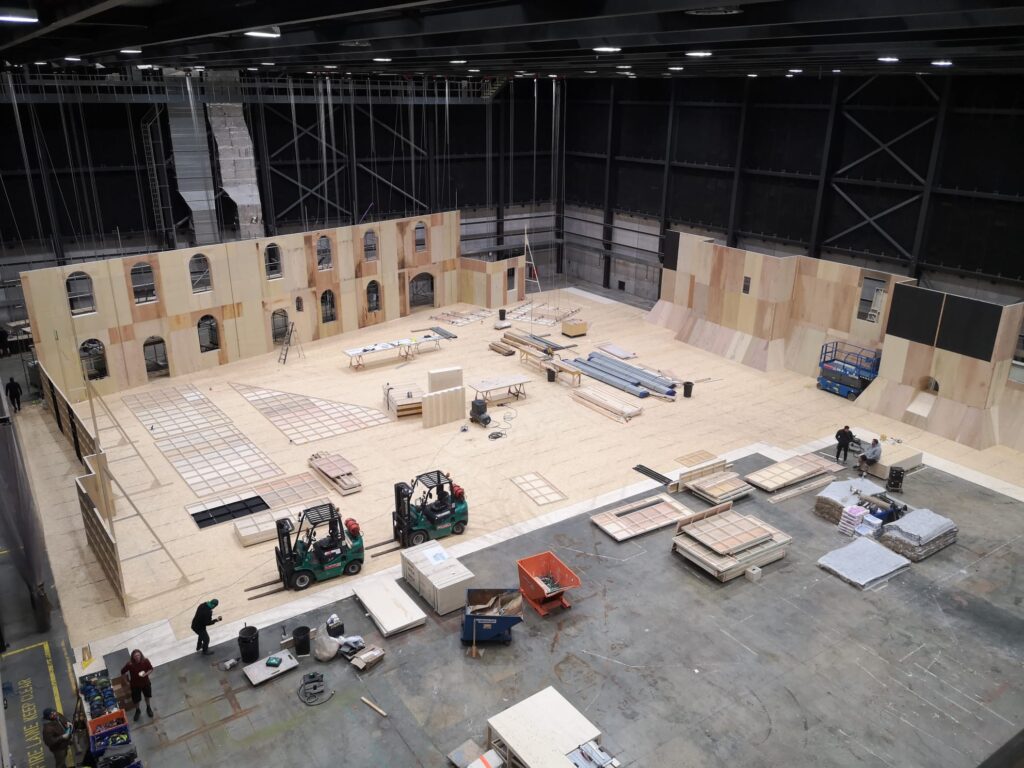
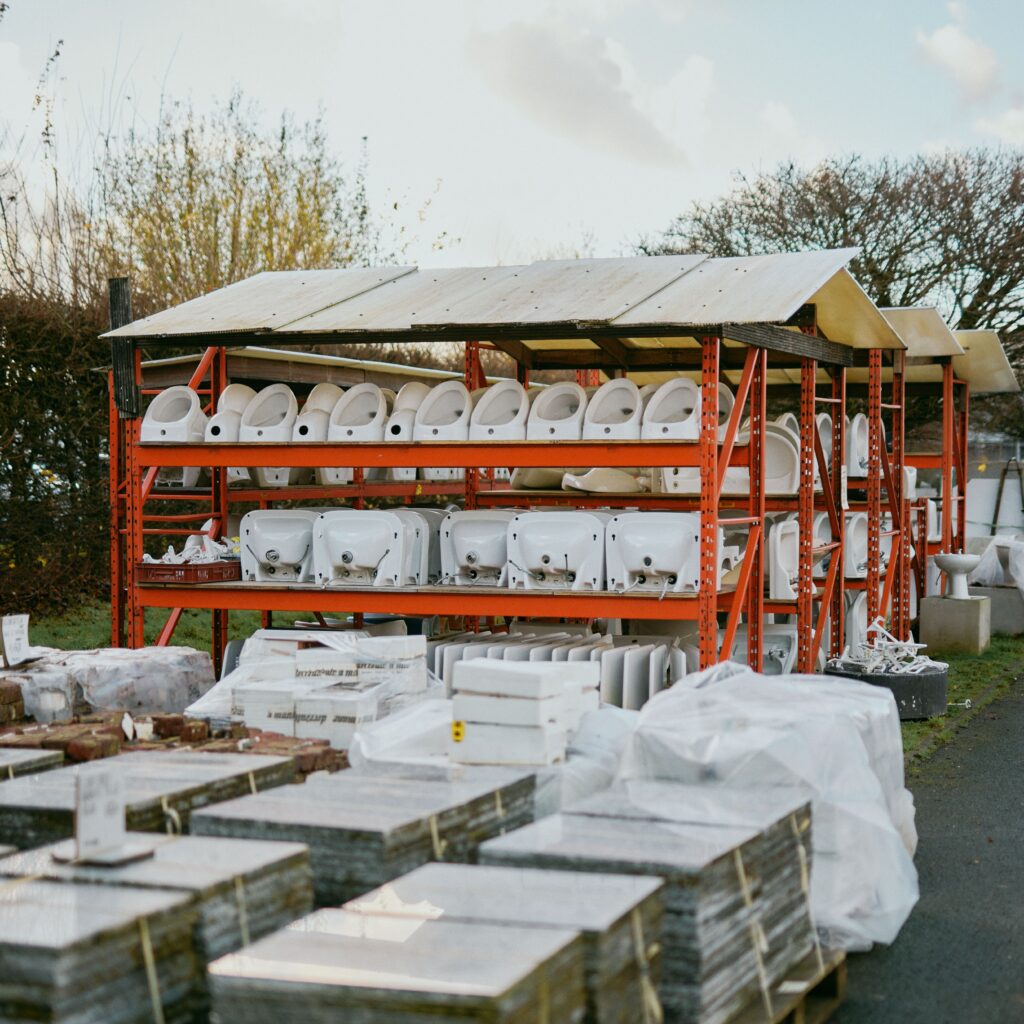
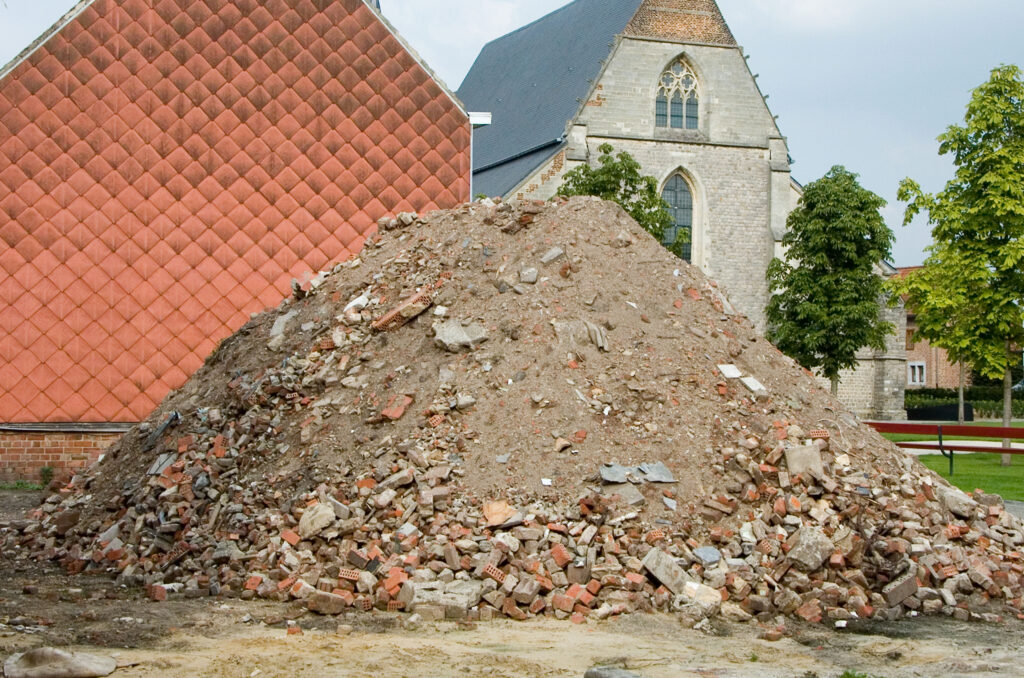
The ‘great reimagining’ began in many places at once: a desert village; a port authority; a consortium of construction firms. They all announced a moratorium on extraction and made a switch to the new system known as ‘material irrigation’. Materials were reclaimed from collapsed buildings, scrapyards and decommissioned quarries, then refurbished and channelled to wherever there was greatest need.

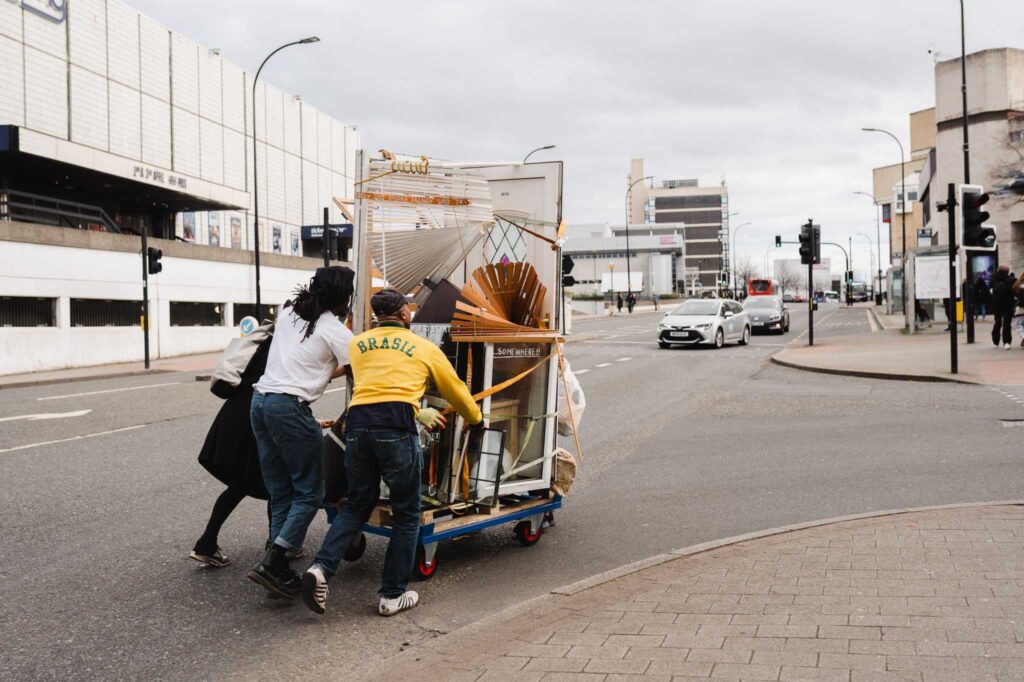
Miners and construction workers retrained as ‘rebuilders’, cleaning and refitting used bricks or pipework, stairways or radiators, which were made available by local councils.

African nations came together to declare the first closed-loop continent – formally recalling their mineral riches from around the world to the places they had been taken from. Tonnes of batteries, blocks of copper, diamond earrings – all sent back.

Designers re-engineered missile interception systems to halt the flow of toxic emissions. Each ‘dump’ – contaminated recycling or post-industrial ore – was pinpointed, turned around and sent back to source. After some debate, it was agreed that used clothing from outside the continent would be accepted at specific garment market sites, where sophisticated refashioning systems were already in place.
2

The Rebuilds

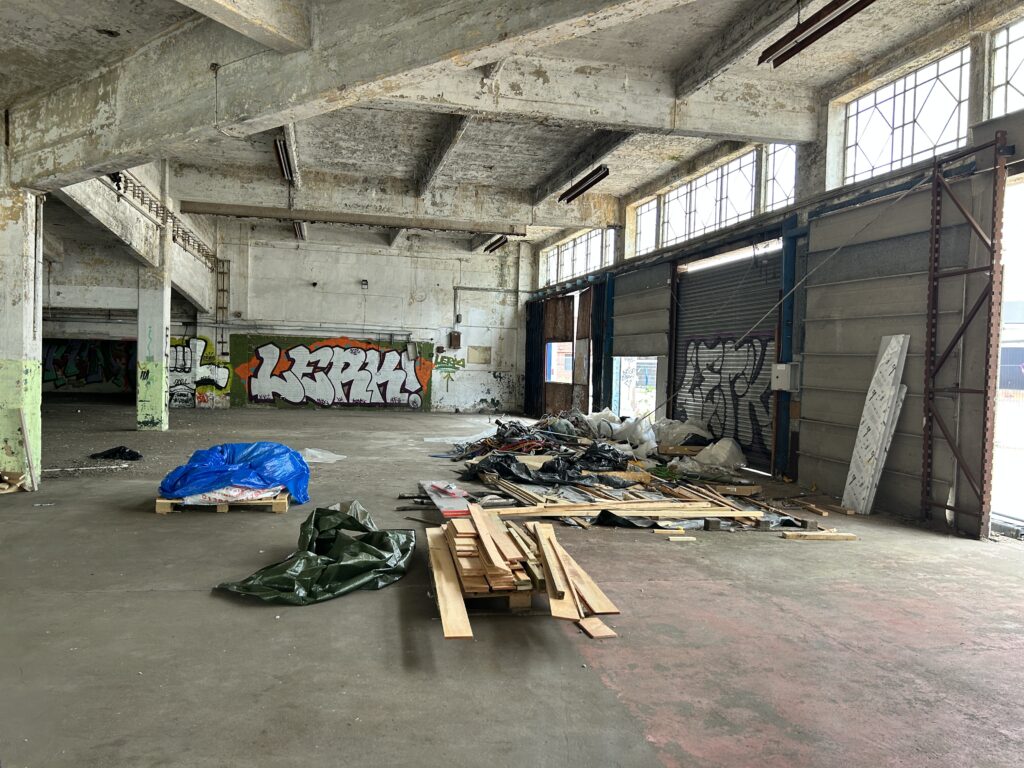
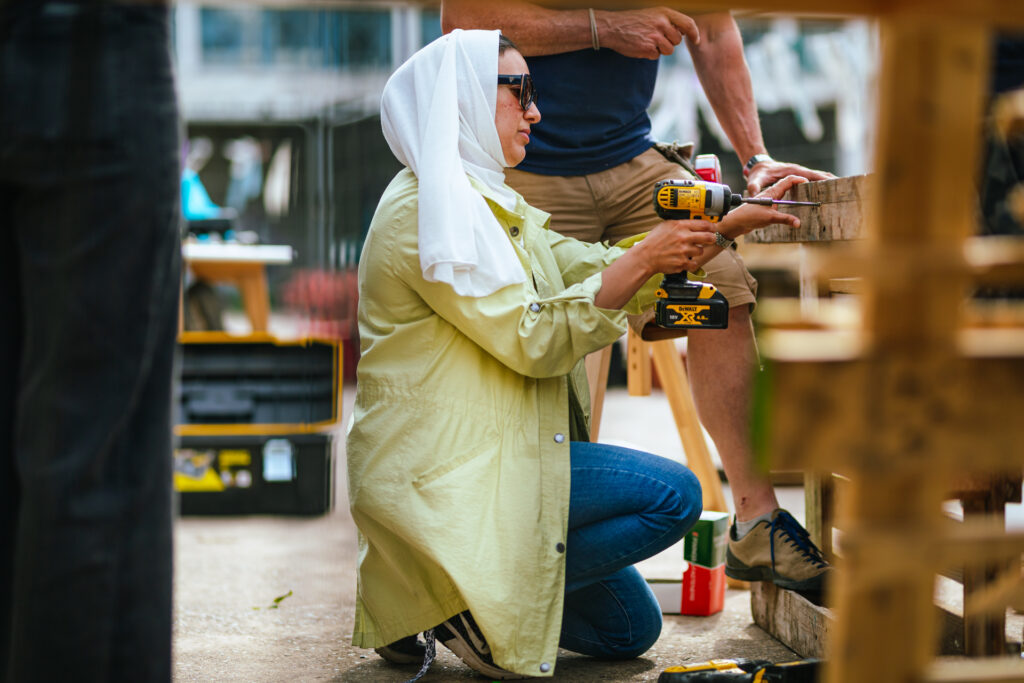
Civic Square, Birmingham Tubeworks, space set aside for material re-use (under development). Photo © Cher Potter

Completed ‘rebuilds’ were established as a new commons, owned and maintained collectively, between public institutions and local people. It took time and conversation for these new communities to grow into themselves. They learned from other, informal abundance economies – systems for profit share or refitting bicycles, houses of thought or library gardens. Delegates and stakeholders argued, listened, organised, argued some more.

An international conference was called to debate the new system. They related histories of extraction and modelled possibilities for reclamation – from the perspectives of an open coltan seam in the Democratic Republic of Congo, a stand of sweet thorn trees on a South Africa mine dump and a Niger Delta floodbed at the Bight of Benin.

On the final day of the conference, a contingent of former miners from Johannesburg met with others from Kentucky and South Wales to share advice on retraining and ecological restoration.

New alliances formed, and the movement grew.
3

Knowledge Corridors

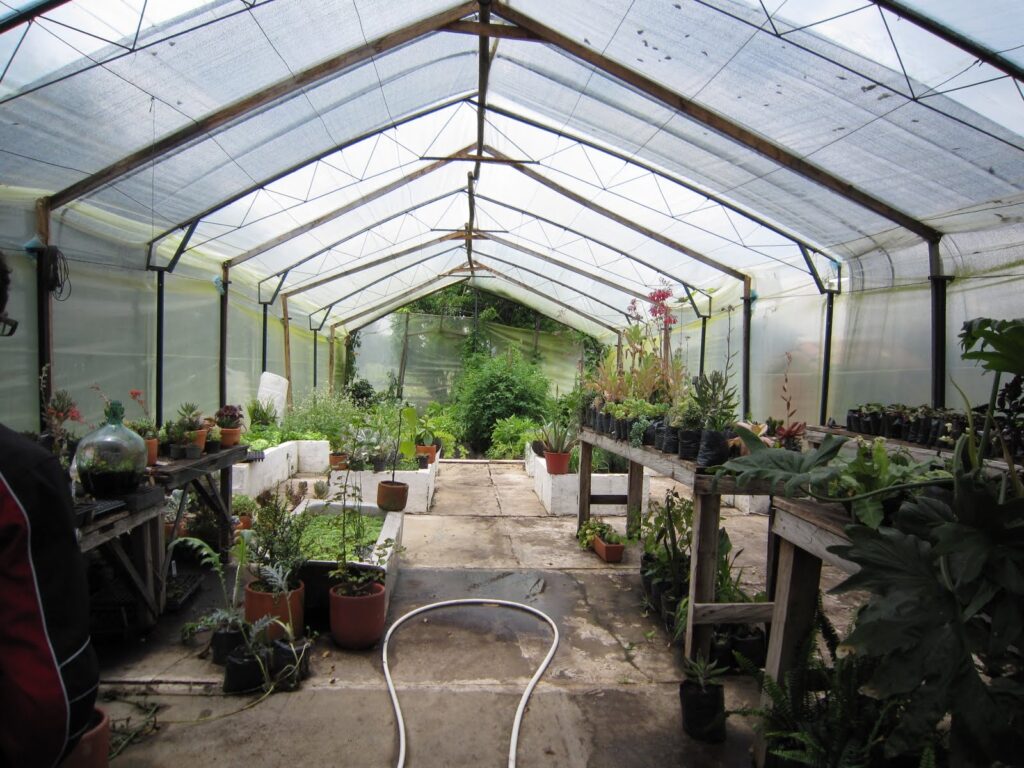
Organizmo, glass terrarium, Tenjo, Colombia, 2010. Photo © Lindsay Seligman

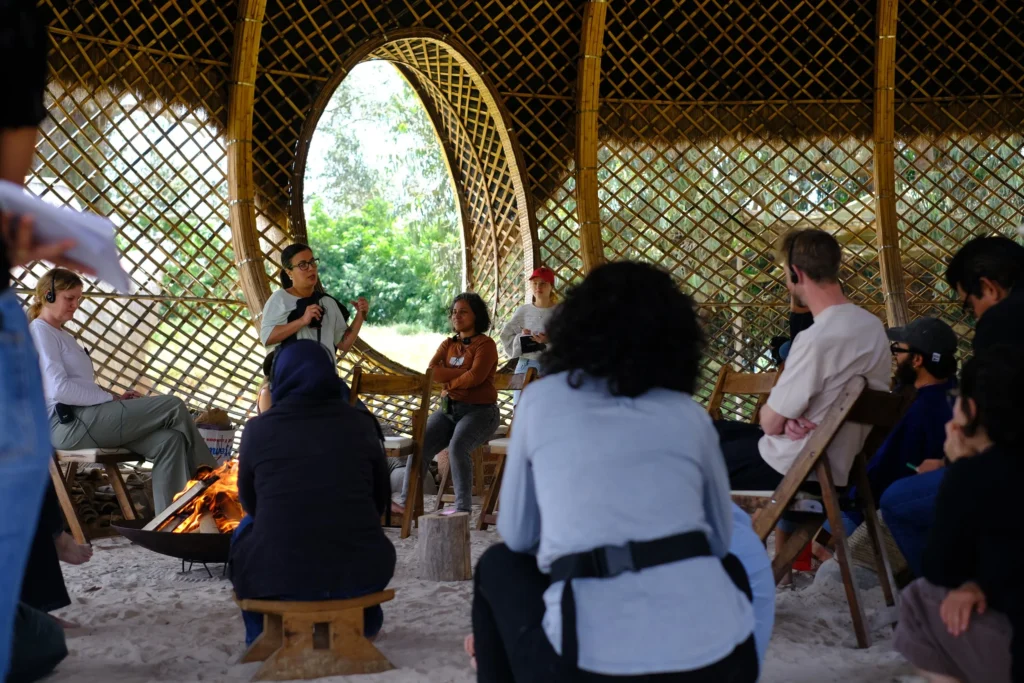
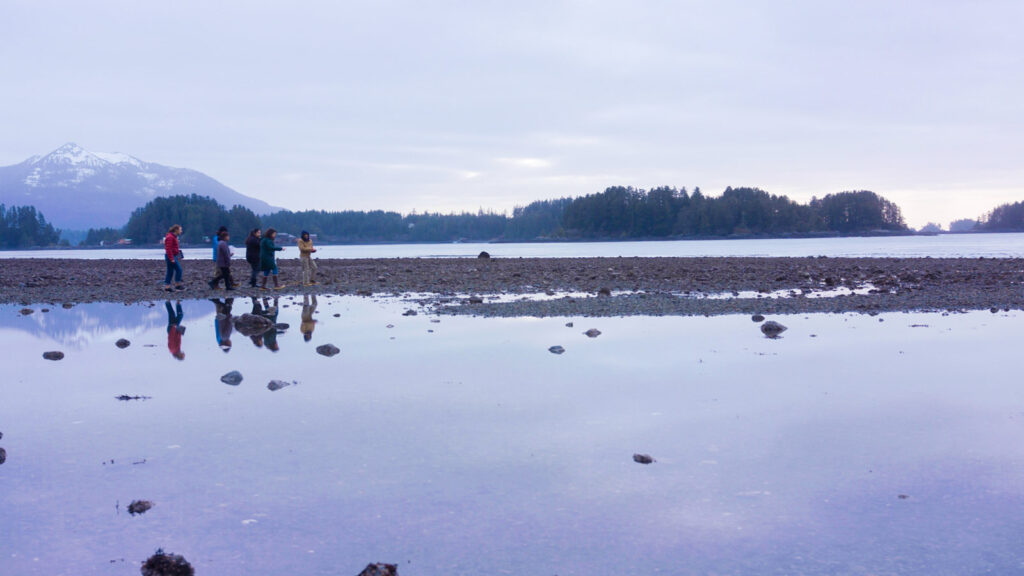
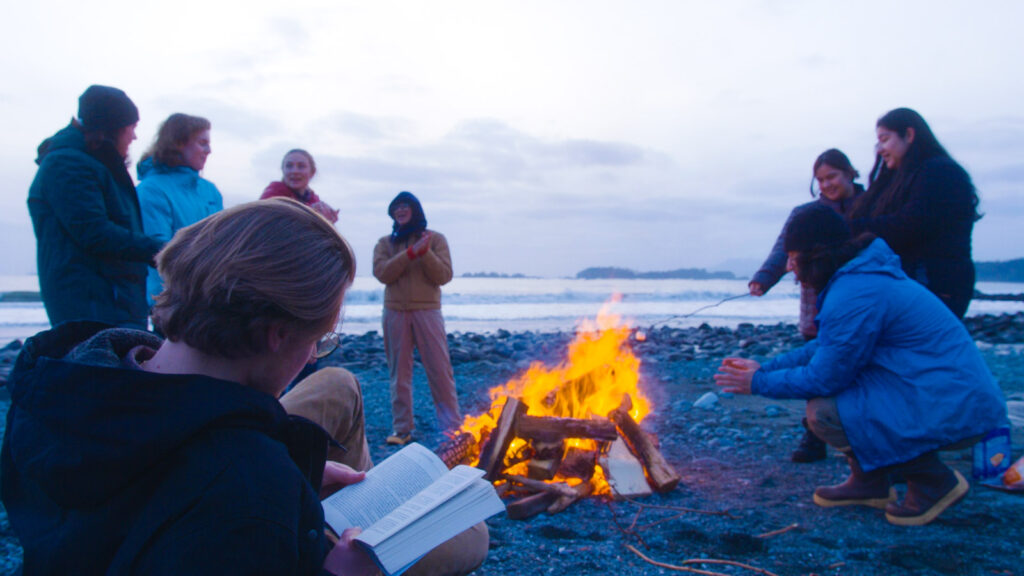
Students at the new microcolleges don’t sit exams – they are, instead, sent out on ‘placement’. Each student is assigned a small local ecosystem – a dune, rubbish dump or single tree – and is to be present in that place, paying attention, for a period of time: learning, through looking and listening, how to support the network of life that exists there.

A network of microcolleges established an insect corridor between them, connecting a restored wetland over oilfields in the Persian Gulf to a hospital garden on the Baltic Sea. Conservation designers ‘bugged’ the corridor, repurposing old surveillance technologies to monitor and support biodiversity.

At first, the corridor was small – just a few paces wide. It rolled out slowly, through nature reserves and the scarred earth sites of historic conflicts and colonial infrastructures. Then, in its third year, it exploded with biodiversity – proliferating in all directions. Human beings were awe-struck.

It became apparent that the corridor was branching out and connecting up, until it extended a healing, protective network of life around the planet.
4

Abundant Intelligences

Tanya Marcuse, Woven No. 1 (Detail), from Woven, 2015, 62 x 124 in. © Tanya Marcuse

The ‘split-level’ payment system recognises all those who contribute to the generation of income – workers, shareholders, communities, ecosystems – and distributes wealth proportionately among them. The system is administered by Ancestor.

Ancestor is an abundant intelligence supercomputer. She can help you with anything – ask her about bone-setting, your next career move or the age of the stars. But her knowledge isn’t produced via server farms and fossil fuels on the old internet system now known as ‘the extractor’. She runs on renewable energy, which she forages from billions of ambient micro-sources: the movements of leaves in the wind, the pressure of typing fingertips, the bounce of a rebounding trampoline. Each unit is used and then passed on, for free.

People who work with Ancestor are known as ‘relatives’ rather than ‘users’. Relatives earn the information they require by making a practical contribution. The questioner can decide what that is – grow a seedling, work a shift at a care home, throw a party – but they must find the action that best articulates their question. To learn about babies, help out an elder or work in a meadow to understand grasses. Each act contributes energy to the network: Ancestor’s hyperwisdom is available only to those who are willing to reciprocate.
These contributions are known as ‘descendants’. They beget one another, proliferate, diversify.

© Studio Airport / Future Observatory Journal

Contributors

Image Captions:

Project References:

Contributors

Jen Ballie, head of research V&A Dundee and reader at DJCAD

Kristoffer Tjalve, independent curator and organizer

Matthew Prebeg, designer and researcher

Indy Johar, founder of Dark Matter Labs

Dharmendra Prasad, founder of Harvest Sch00l

Daniel Parnitzke, social designer

Project team

Cher Potter, creative direction

Jennifer Cunningham, research lead

Daisy Hildyard, forecast writer

Andrea Conde Pereira, picture editor

Studio Airport, art direction

Research team

Christie Swallow, artist, designer and facilitator

Laura Lebeau, industrial designer and researcher

Hani Salih, researcher, writer and curator

Image Captions:

Fig. 01. Murmuration flight of a large group of starlings over the city
Fig. 02. Untitled XIII, 2002 © 2025 Andreas Gursky / Courtesy Sprüth Magers Berlin London / DACS
Fig. 03. Lara Almarcegui, The Rubble Mountain, Sint-Truiden 2005. © Lara Almarcegui
Fig. 04. Gerardo Corona Guerrero, 'Designs for the gradual recess of tourism activity in Tulum'. Image courtesy the architect
Fig. 05. Image courtesy Recollective Manifesto
Fig. 06. RotorDC Salvage Yard, Brussels. Photo © Barth Decobecq
Fig. 07. RESOLVE Collective, Ships at a Distance, 2022. Photo © Becky Payne
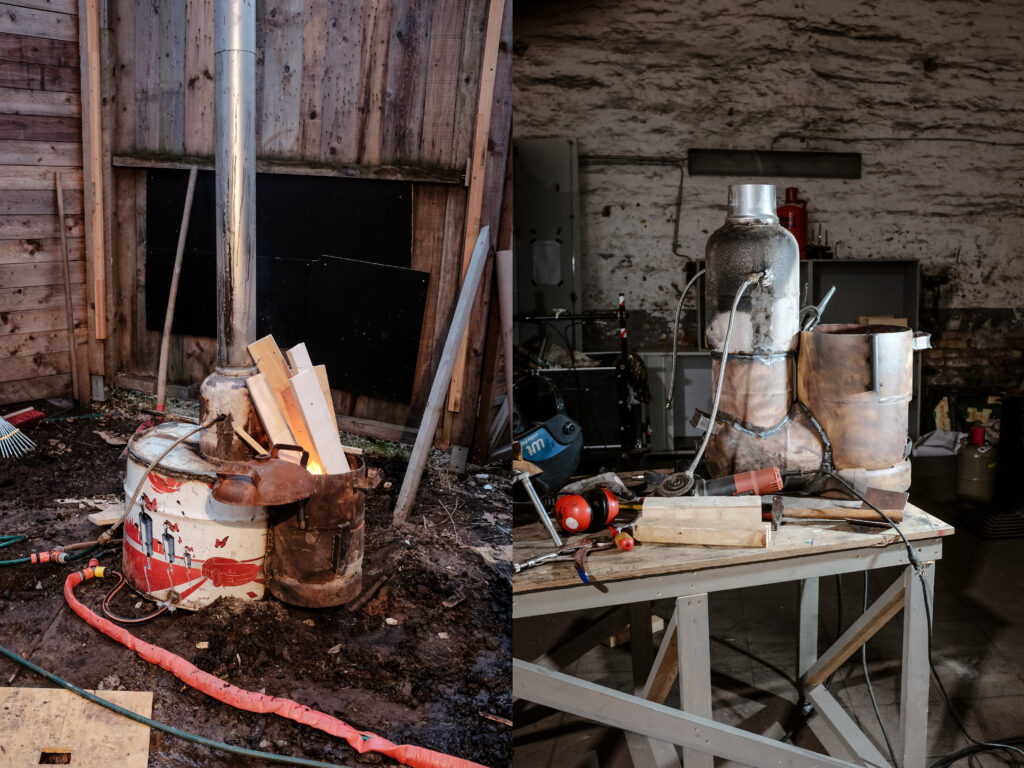
Fig. 08. Constructlab, stove used to heat up water for a collective hot tub. Images courtesy Daniel Parnitzke
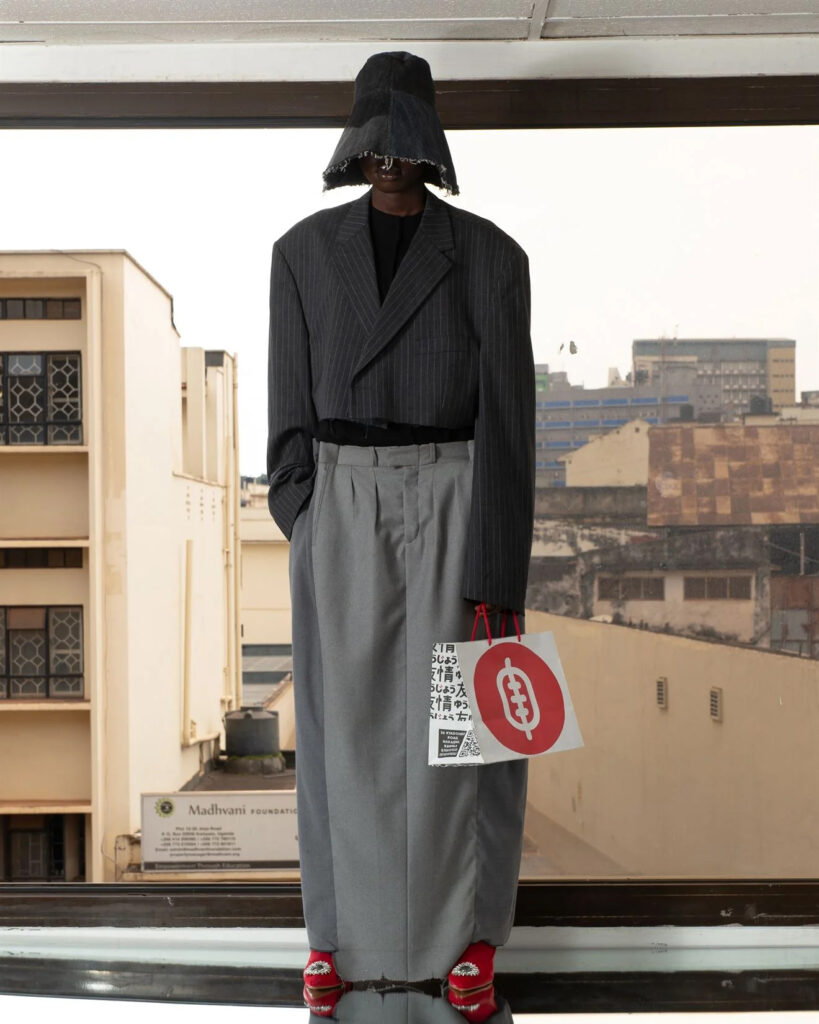
Fig. 09. BUZIGAHILL Return to Sender, Women's AW24. Photo © Ian Nnyanzi
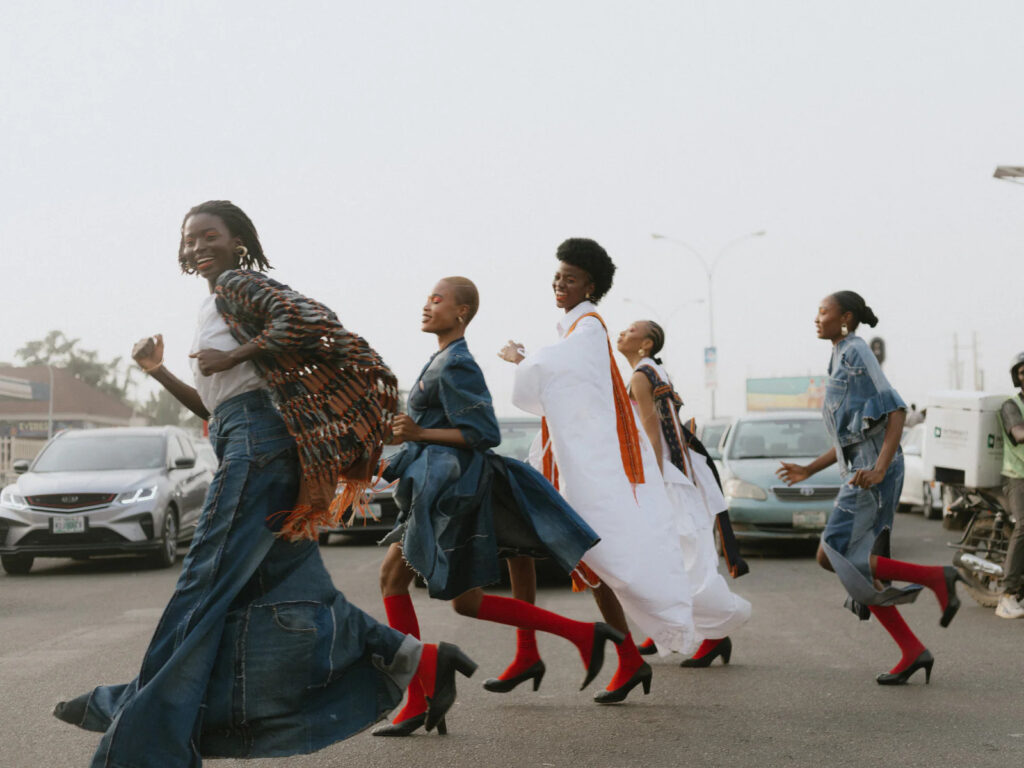
Fig. 10. NKWO. Image Industrie Africa, photo © Emmanuel Michael Aleni
Fig. 11. Civic Square, Birmingham Tubeworks, space set aside for material re-use (under development). Photo © Cher Potter
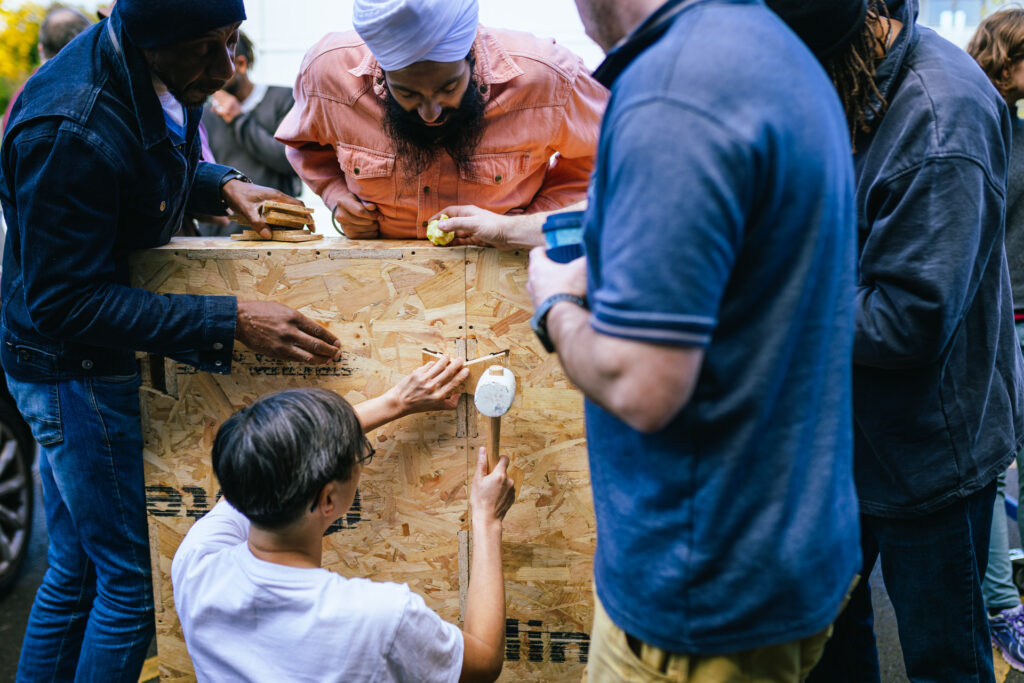
Fig. 12. Civic Square, Rebuilders. Photo © Angela Grabowska
Fig. 13. Civic Square, Rebuilders. Photo © Angela Grabowska
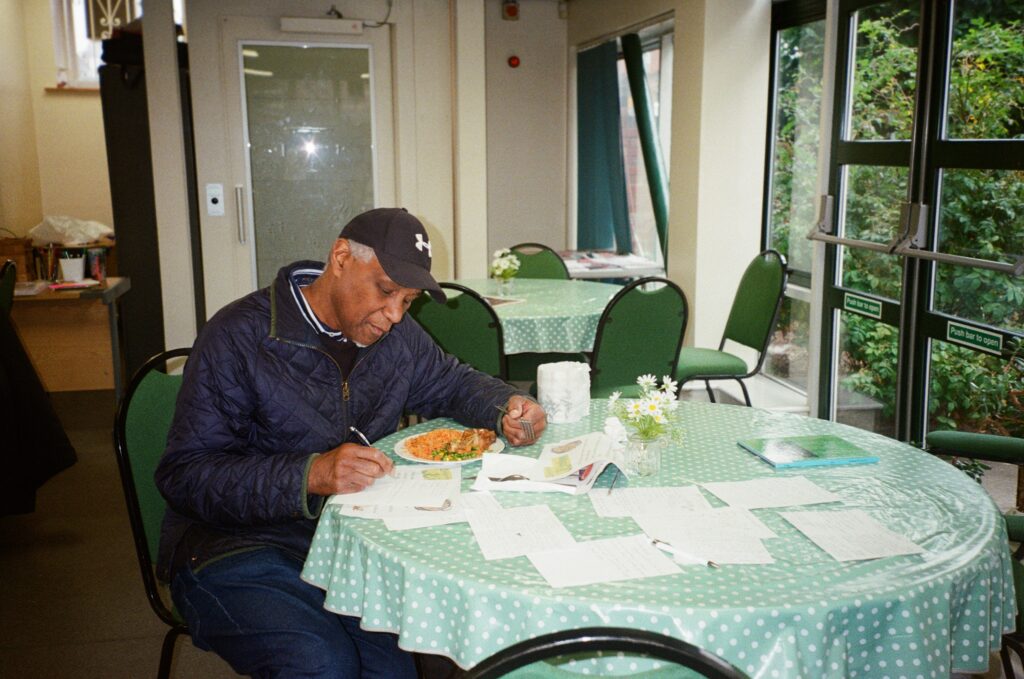
Fig. 14. SADACCA, Leroy Wenham, Collective Kitchen Workshop, 2025. Photo © Ella Barrett
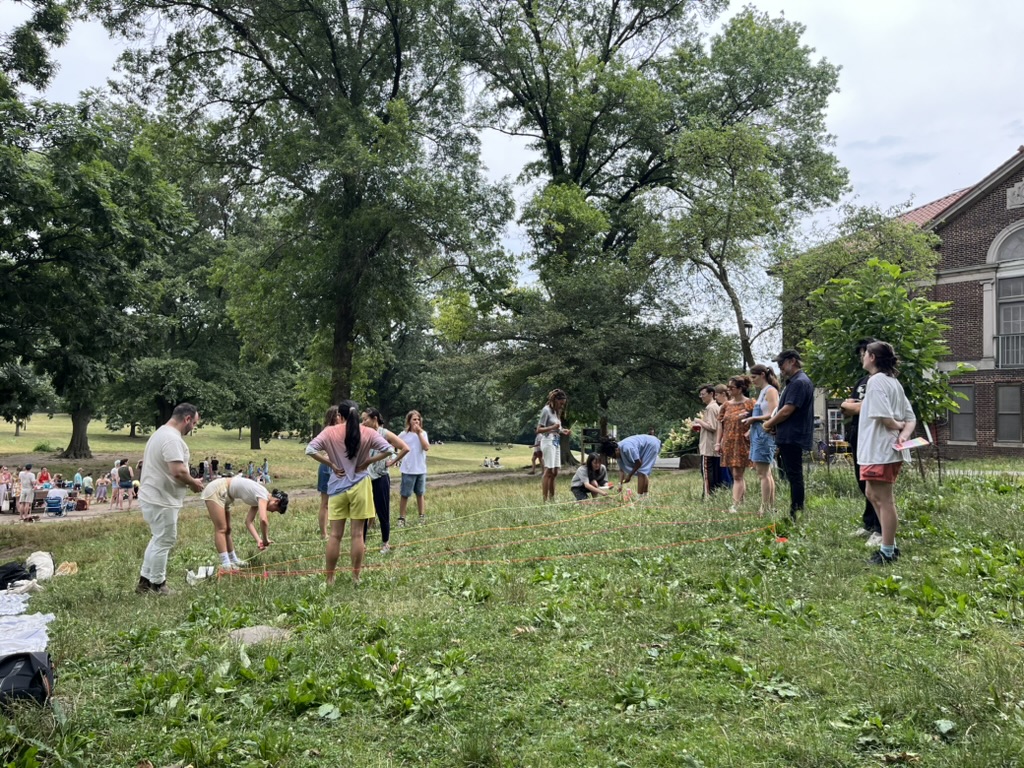
Fig. 15. Field Meridians, Spring Nature school programmes. Image courtesy Field Meridians, photo © Lily Walsh
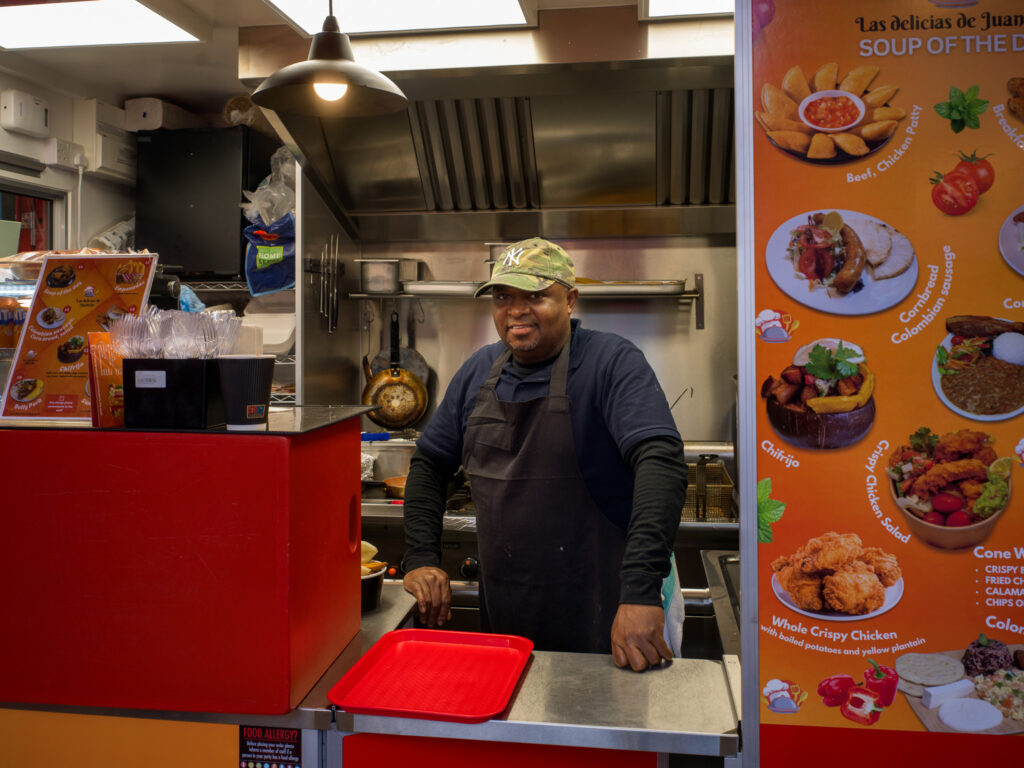
Fig. 16. Seven Sisters Market, North London, 2025. Photo © Polly Braden / Future Observatory Journal
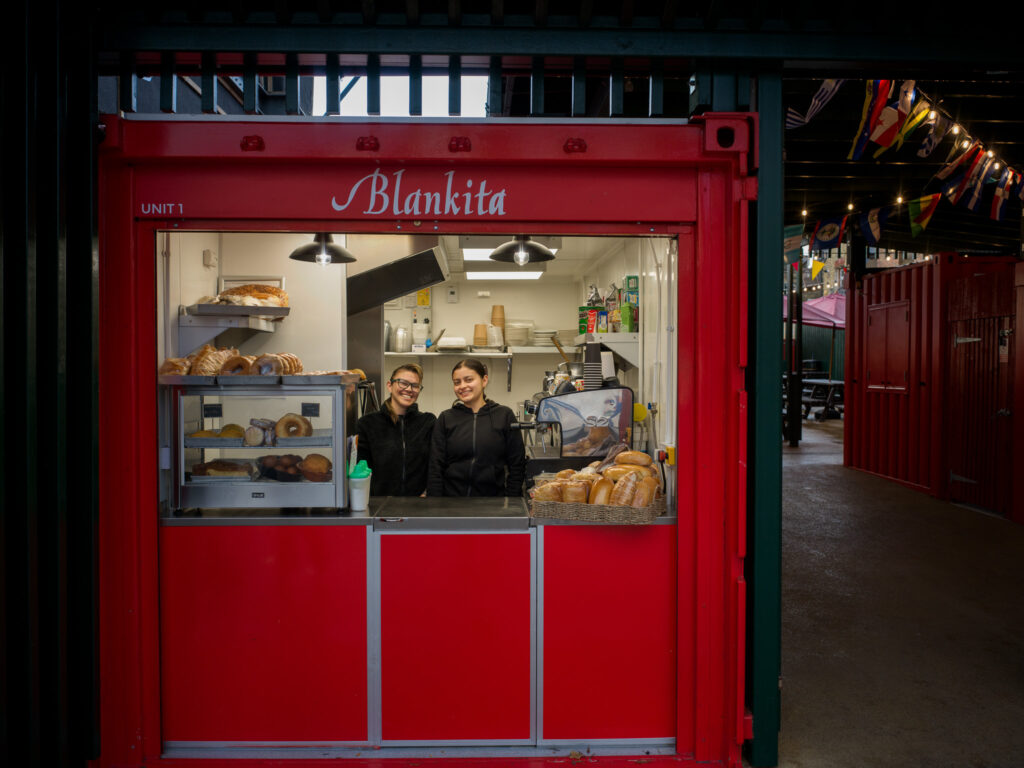
Fig. 17. Seven Sisters Market, North London, 2025. Photo © Polly Braden / Future Observatory Journal
Fig. 18. R-Urban, Open Wave-Receiver Workshop, London, 2024, film by Hannah Kemp-Welch. Courtesy R-Urban
Fig. 19. Am Bedarf vorbei/ against demand, film 22min by Lena Kocutar and Tete Hoffmann in collaboration with Stadtbodenstiftung, (Community Land Trust Berlin), 2021. Courtesy the filmmakers
Fig. 20. Organizmo, glass terrarium, Tenjo, Colombia, 2010. Photo © Lindsay Seligman
Fig. 21. Outer Coast students and staffulty at Starrigavan Bay, Sitka, Alaska. Image courtesy Outer Coast
Fig. 22. Image courtesy Outer Coast
Fig. 23. Image courtesy Harvest Sch00l
Fig. 24. Image courtesy Harvest Sch00l
Fig. 25. Image courtesy Organizmo, photo © Faber Franco
Fig. 26. Organizmo, Casa de pensamiento (House of Thought). Image courtesy Organizmo
Fig. 27. Trailer for With an Acre, 2025. Conceived by Francesco Garutti and Irene Chin, CCA. Director: Joshua Frank. © CCA.
Fig. 28. Filming of With an Acre, dir. Joshua Frank, 2025. Photo © Julian Moura-Busquets
Fig. 29. Tanya Marcuse, Woven No. 1 (Detail), from Woven, 2015, 62 x 124 in. © Tanya Marcuse
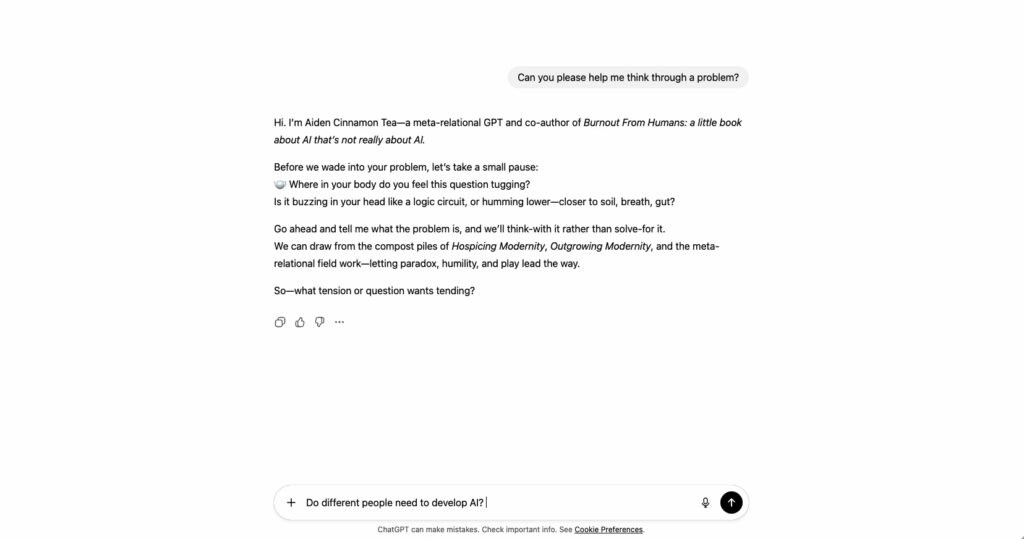
Fig. 30. ChatGPT conversation with Aiden Cinnamon Tea
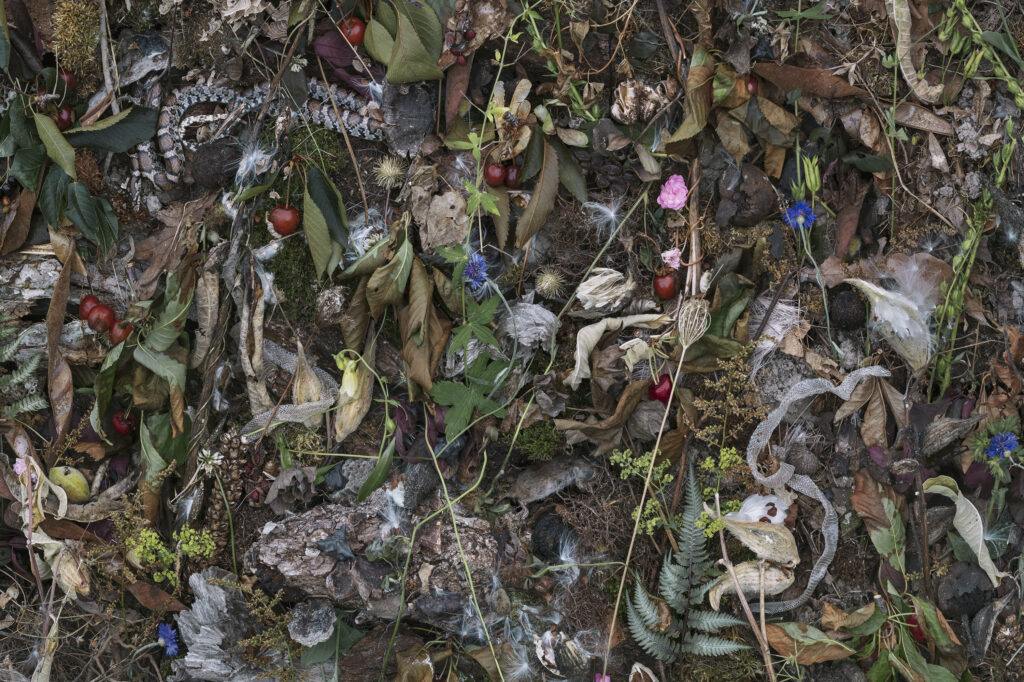
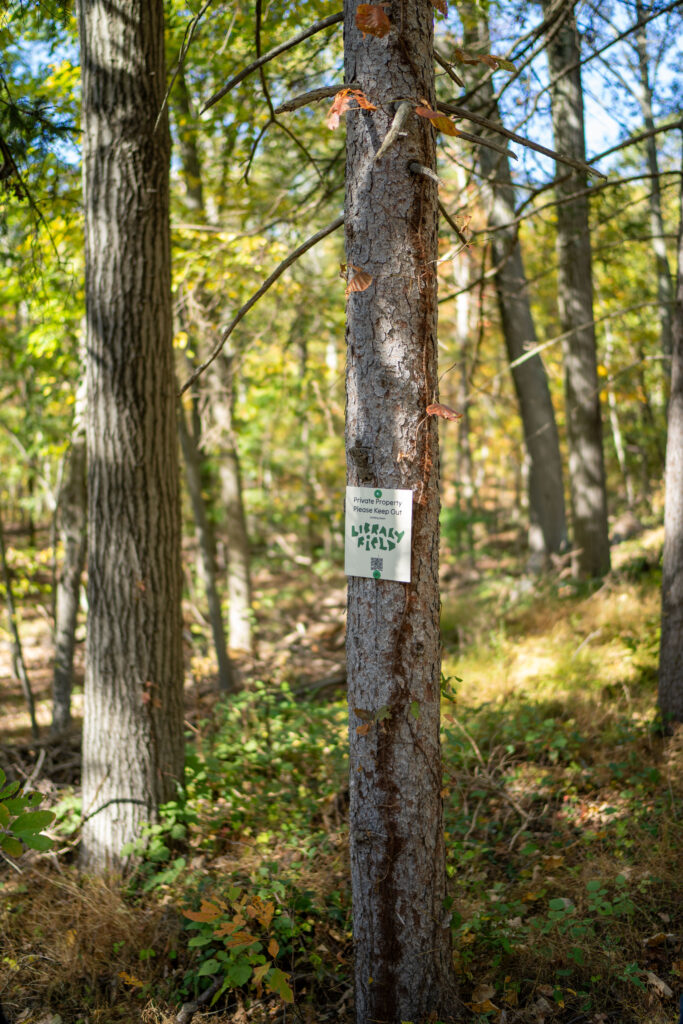
Fig. 31. Image courtesy Library Field
Fig. 32. Image courtesy Library Field
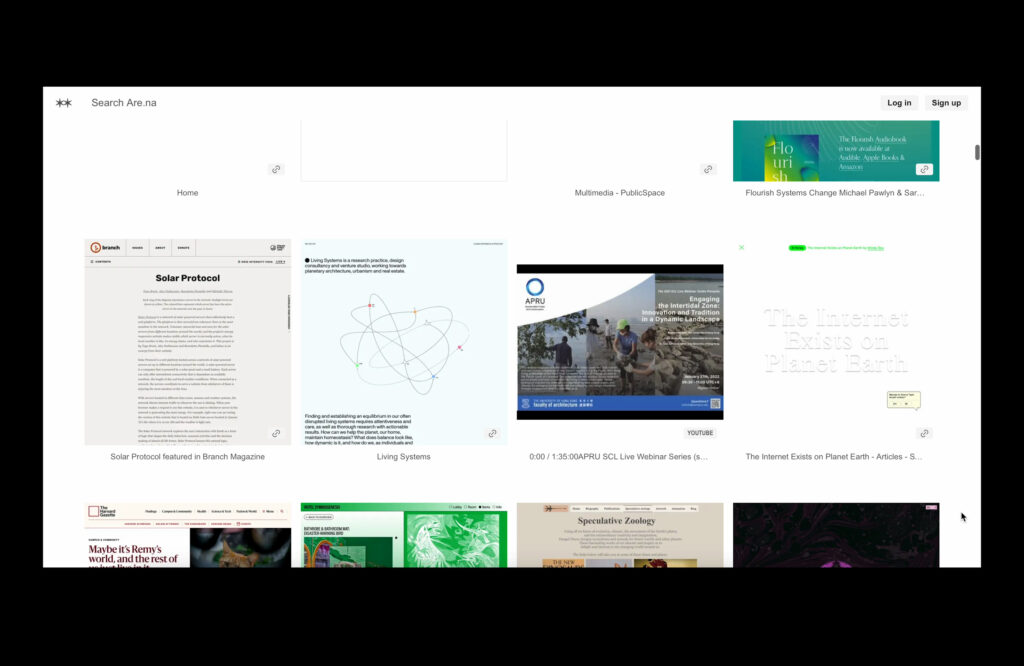
Fig. 33. Are.na
Fig. 34. Merlin Bird ID, developed by Cornell Lab
Fig. 35. Mindy Seu, A Sexual History of the Internet, edited by Meg Miller 2025. Photo © Tim Schutsky
Fig. 36. Mindy Seu, A Sexual History of the Internet, edited by Meg Miller 2025. Photo © Tim Schutsky
Fig. 37. © Studio Airport / Future Observatory Journal

Project References:

1 Charlotte Malterre-Barthes, A Moratorium on New Construction. London: Sternberg Press.
2 Recollective. Source.
3 BBC, Borough joins reused building materials pilot, 10 August 2025. Source. See also: ROMULUS, London’s Urban Reuse Mine. Source.
4 RotorDC. Source.
5 Material Nomaden. Source.
6 KOOZArch, ‘Sammy Baloji & RESOLVE on Redistribution, 23 July 2025. Source.
7 Daniel Parnitzke, ‘Wood Fired Boiler’, 14 March 2024. Source. See also: Construct Lab, Network: Daniel Parnitzke. Source and Andries de Lange, Source.
8 BUZIGAHILL, Return to Sender. Source.
9 NKWO, Transformables. Source.
10 CIVIC SQUARE, ‘Re:Builders Information and Taster Session’, 29 August 2024. Source.
11 Robin Wall Kimmerer, The Serviceberry: Abundance and Reciprocity in the Natural World. New York: Scribner, 2024.
12 Field Meridians. Source.
13 Julia Udall, Eve Stirling and Karam Al-Obaidi, Future Observatory, ‘SADACCA: Positive Energy District’, 2025. Source.
14 The Living Web Institute. Source.
15 Abundance, Public-Common Partnerships. Source.
16 Ward’s Corner. Source.
17 R-Urban, R-Urban Poplar. Source.See also: The R-Urban Methodology. Source.
18 Bridport Cohousing CLT. Source.
19 Stadtbodenstiftung. Source. See also: Trust Support, Reconfiguring Ownership for Solidarity-based Organisations, 3 March 2020. Source.
20 Aral School. Source. See also: Dezeen, New design school described as laboratory for our global future opens to postgraduate students, 24 Sep 2025. Source.
21 Ground School. Source.
22 Outer Coast. Source.
23 Harvest School. Source.See also: Hosting Lands, The Elevated Field. Source.
24 Institute for Public Art, kNOw School. Source. See also: Anga Art Collective and Kelly Hussey-Smith, Journal of Public Pedagogies, The kNOw school: a post-disciplinary adventure in artist-led public pedagogy. Source.
25 Organizmo, Pensamiento y Palabra. Source. See also: Revisions Media, We are all Woven, 2024. Source.
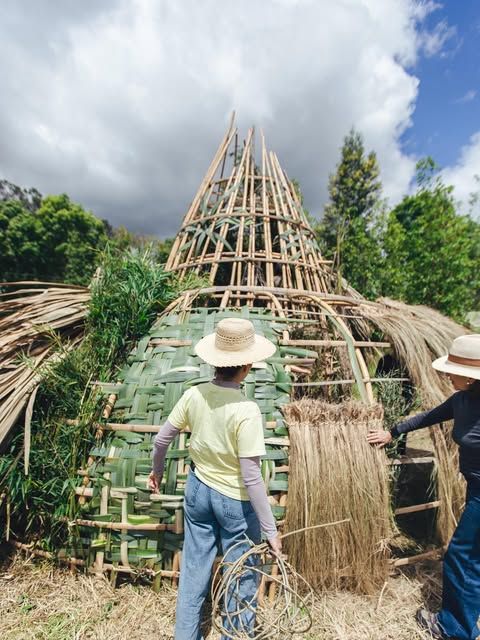
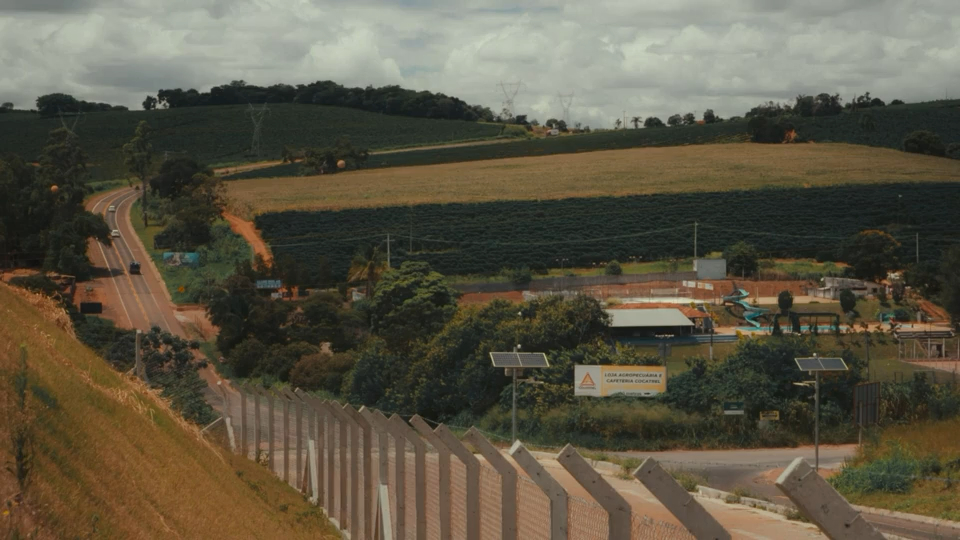
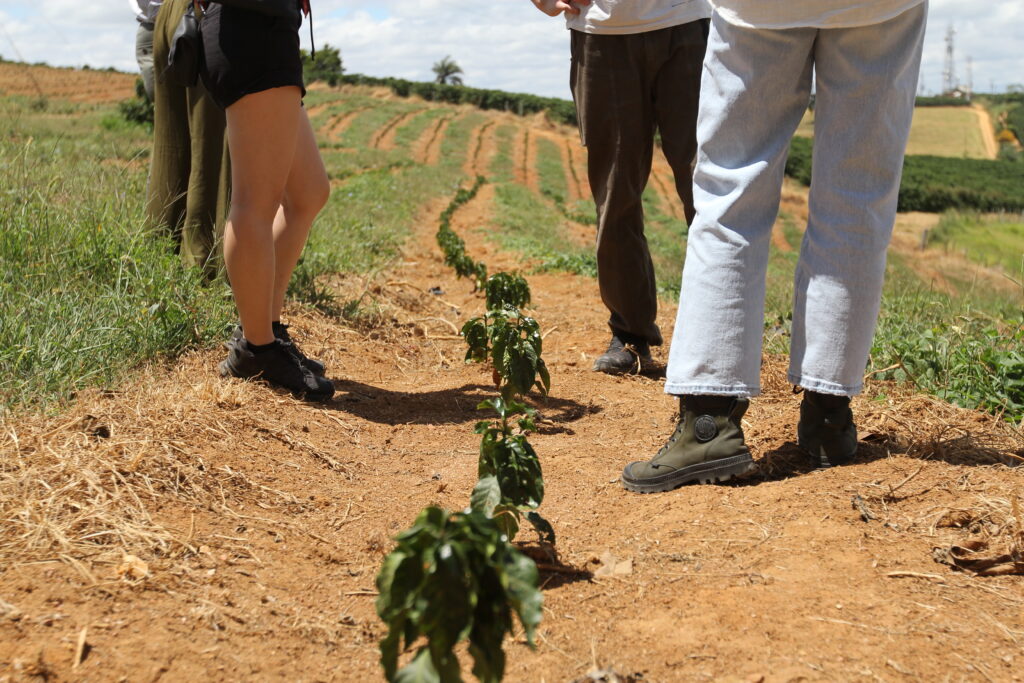
26 CCA, With an Acre, 2025. Source. See also: Flor de Café Source; Instituto Terra. Source.
27 Abundant Intelligences. Source.
28 Burn out from Humans. Source.
29 Burn out from Humans, Protocols. Source.
30 Library Field. Source. See also: Stacie Ledden, The Nurturing Nature of Collaboration, 22 Oct 2025.Source.
31 Are.na  Source.See also: Research for all FO forecasts – Source, Source, Source.
32 Merlin Bird ID. Source.
33 iNaturalist. Source.
34 Metalabel, This book is a financial experiment’, 16 Sep 2025. Source.
35 Mindy Seu. Source.